18 Signs to Know If Your Hair Is Thick
Choosing the right hair care routine starts with understanding your hair type. Thick hair often feels full, voluminous, and strong, but it can also require more time, products, and styling effort.
Whether your thickness comes from having many strands, wider strands, or both, recognizing the signs can help you select better haircuts, tools, and products.
These signs are perfect for Pinterest readers who want simple ways to identify thick hair. If several of these sound familiar, chances are your hair is thicker than average and may benefit from routines designed specifically for high-density hair.
1. Your Ponytail Feels Very Full
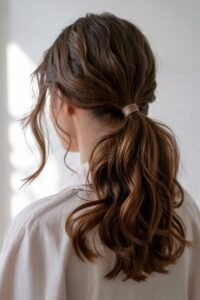
One of the easiest signs of thick hair is a ponytail that feels large and dense in your hand. Even without styling products or teasing, your ponytail may naturally appear full and voluminous. You might also notice that standard hair ties only wrap around it once or twice.
A naturally wide ponytail is often a strong indicator of hair density. Thick hair creates volume without much effort, making even simple hairstyles look fuller and more styled.
2. Your Scalp Is Hard to See
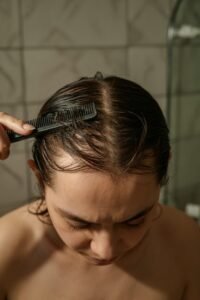
If your scalp is difficult to see when your hair is down, you may have thick hair. Dense hair tends to cover the scalp more completely, even when parted.
When creating a part, the line may appear narrow and quickly disappear as the surrounding hair falls back into place. This often means you have a high concentration of strands growing close together.
3. Your Hair Takes a Long Time to Dry
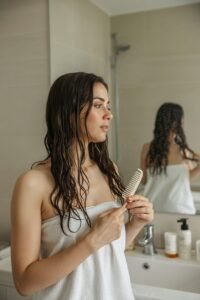
Thick hair holds more water because there are more strands absorbing moisture. Even after towel-drying, the inner layers may remain damp for hours.
Air-drying can take much longer than expected, especially if your hair is long, wavy, curly, or coily. If drying your hair always feels like a lengthy process, thickness is likely a contributing factor.
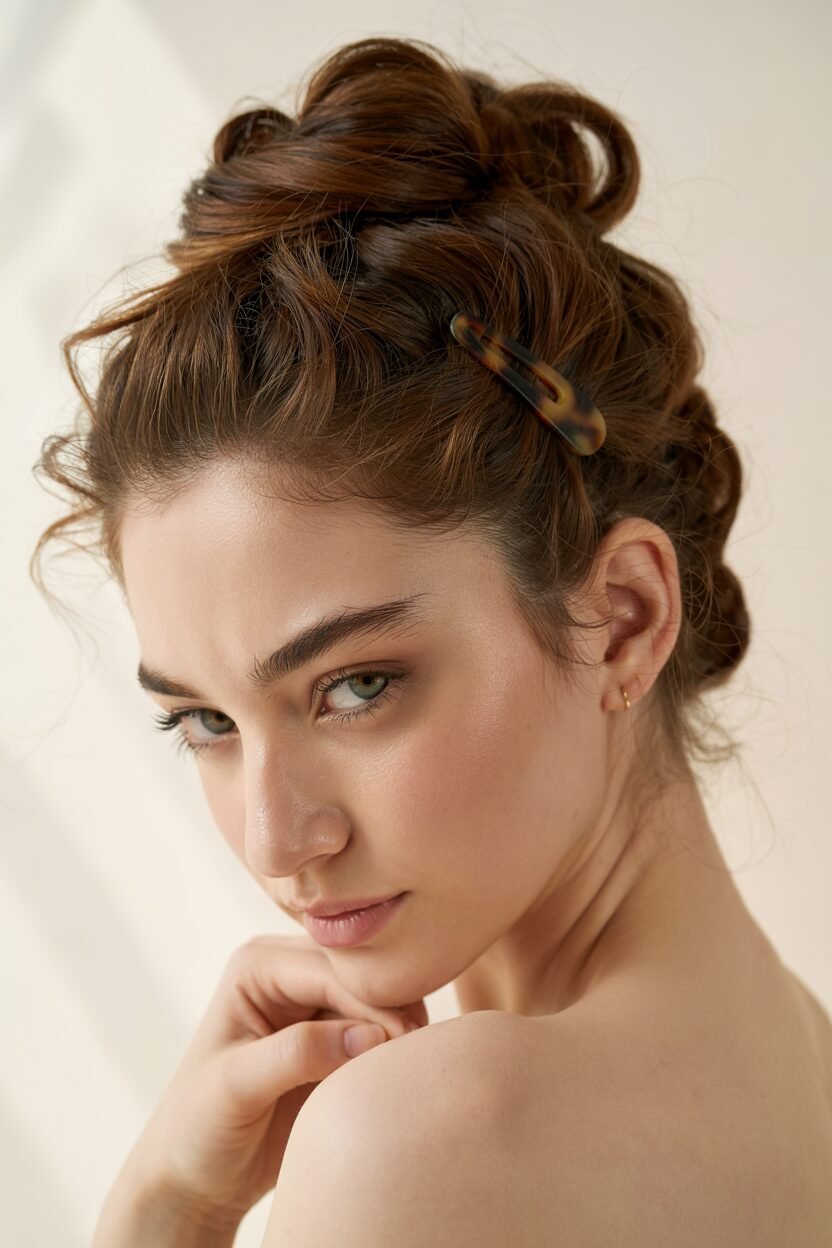
4. Hair Clips Struggle to Hold It
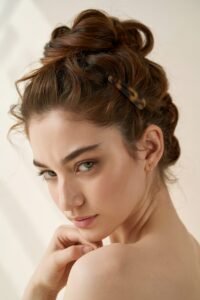
Small claw clips, barrettes, and decorative clips often struggle to support thick hair. They may slide out, pop open, or fail to hold all of your hair securely.
Many people with thick hair rely on oversized claw clips, stronger elastics, and heavy-duty accessories because standard options simply cannot handle the weight and volume.
5. Your Hair Feels Heavy

Thick hair often has noticeable weight, especially when wet or worn in styles like buns, braids, or high ponytails.
You may feel extra pressure on your scalp during styling or notice that long hair feels warm and heavy around your neck. Layers can often help reduce some of this weight while maintaining fullness.
6. You Need More Product Than Expected
If a dime-sized amount of conditioner or styling cream never seems enough, your hair may be thick. Dense hair requires more product to distribute moisture and styling benefits evenly.
Applying products in sections often works better because it ensures every layer receives adequate coverage.
7. Your Hair Has Natural Volume
Thick hair typically has built-in volume. It may lift naturally at the roots, expand after drying, or maintain fullness without teasing.
While many people work hard to create volume, thick-haired individuals often have it naturally. This fullness can be beautiful but may sometimes feel challenging to control.
8. Detangling Takes Time
Thick hair usually requires more patience during detangling because there are simply more strands that can become tangled.
Knots often hide underneath top layers, especially around the nape of the neck. Using a wide-tooth comb and working in sections can make the process much easier.
9. Hair Ties Stretch Out Quickly
Dense hair puts significant tension on elastics. If your hair ties constantly stretch, lose shape, or snap, thickness could be the reason.
Many people with thick hair prefer spiral ties, scrunchies, or extra-strength elastics that can better handle the volume.
10. Braids Look Naturally Full
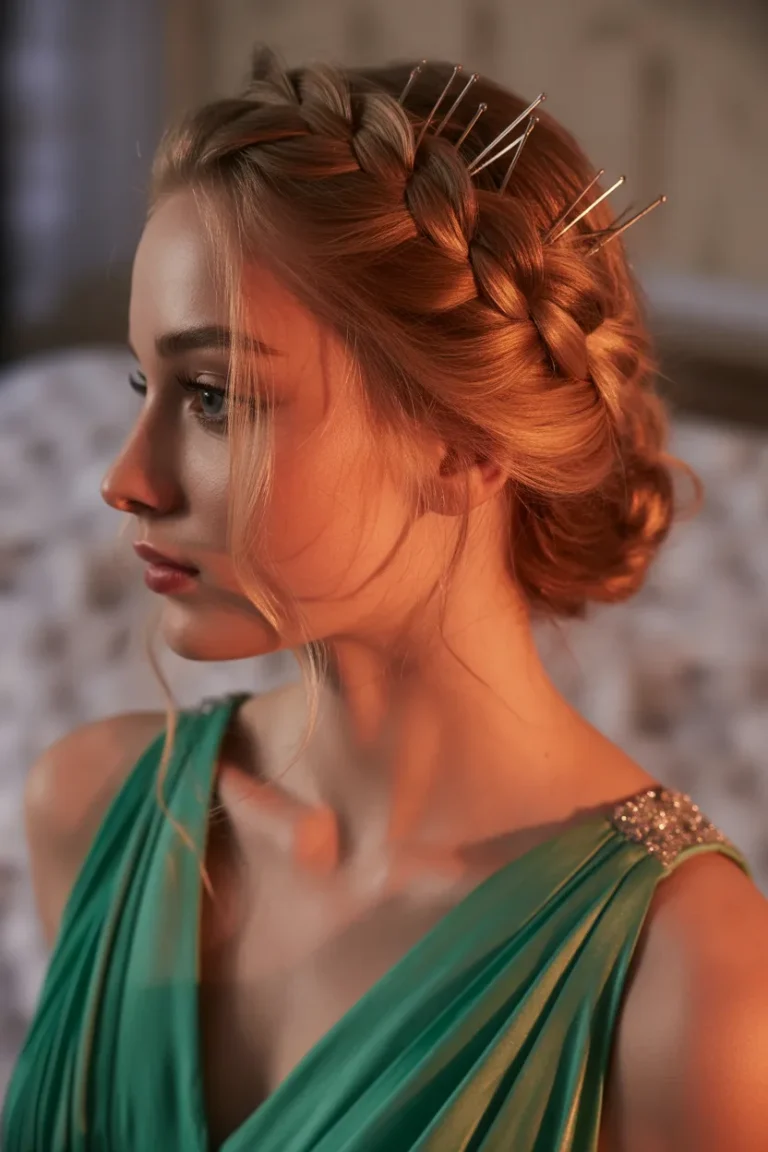
One of the perks of thick hair is how beautiful braids look. Even a basic three-strand braid often appears wide, textured, and substantial.
Styles like fishtail braids, Dutch braids, and side braids tend to look especially impressive because thick hair naturally fills out the braid pattern.
11. Your Hair Expands in Humidity
Humidity often makes thick hair appear even bigger. Extra moisture in the air can cause strands to swell, creating more volume and sometimes frizz.
If your hair seems to get larger as the day goes on, especially during humid weather, your density may be playing a role.
12. You Need Haircuts to Remove Bulk
People with thick hair often ask stylists to remove weight and bulk during haircuts. Without shaping, dense hair can sometimes feel overly heavy or wide.
Long layers, internal layering, and texturizing techniques are commonly used to help thick hair move more naturally and feel lighter.
13. Blow-Drying Feels Like a Long Job
Blow-drying thick hair often requires sectioning, patience, and extra time. Hidden layers can stay damp even when the surface appears completely dry.
If you frequently avoid blow-drying because it feels like a major project, your hair density is probably higher than average.
14. Your Hair Feels Dense When Wet
Wet hair often reveals thickness more clearly than dry hair. Thick hair may feel heavy, substantial, and difficult to fully rinse during washing.
You may also notice that water remains trapped within the inner layers for a long time after showering.
15. Parts Are Hard to Keep Clean
Creating clean parts for braids, buns, or sleek hairstyles can be more difficult when you have thick hair.
Dense strands naturally fall back together, causing part lines to disappear quickly. Clips and sectioning tools often become essential during styling.
16. Hats and Headbands Feel Tight
Thick hair adds extra volume underneath hats, caps, and headbands. As a result, accessories may feel tighter or sit differently than expected.
You might notice headbands stretching out quickly or hats sitting higher on your head because of the amount of hair underneath.
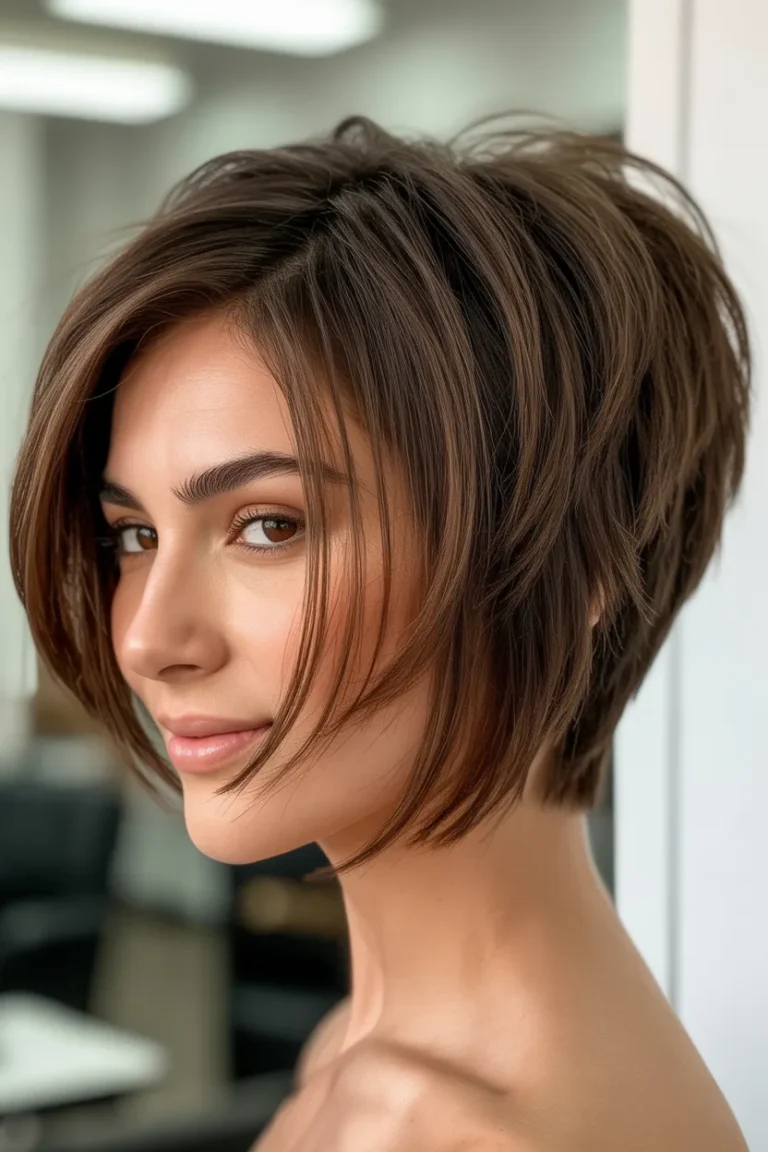
17. Short Hair Can Puff Out
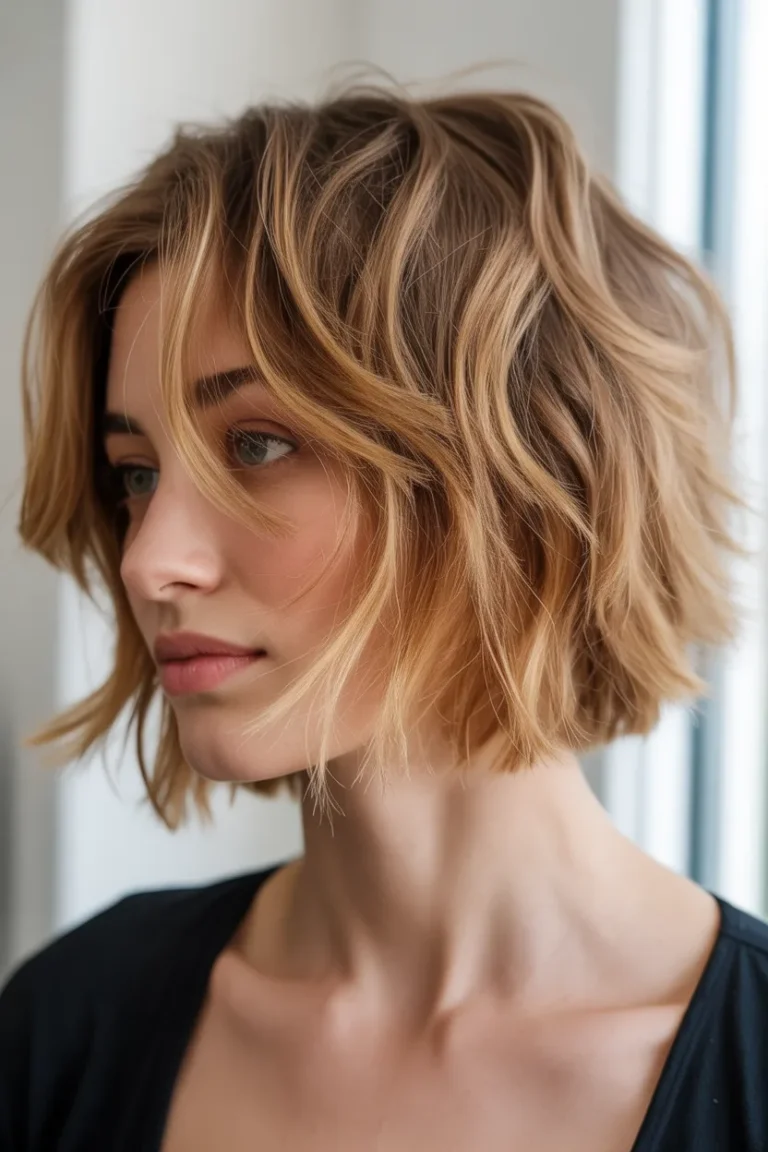
Short cuts on thick hair often require careful shaping. Without layers or texture, a bob or pixie may expand outward instead of lying smoothly.
Proper layering helps remove excess weight and allows shorter hairstyles to maintain a flattering silhouette.
18. Stylists Often Comment on Your Hair
If hairstylists regularly mention how much hair you have, it is probably thick. Professionals work with many hair types and can quickly recognize density.
They may recommend longer appointment times, stronger products, layers, or bulk-removal techniques specifically because your hair contains a large number of strands.
Final Thoughts
If several of these signs sound familiar, there’s a good chance your hair is thick. While thick hair may require extra drying time, stronger accessories, and more styling effort, it also offers beautiful volume, fullness, and versatility. Understanding your hair’s density can help you choose the right cuts, products, and routines to make styling easier and more enjoyable every day.